Crashing Particles, Unlocking the Unknown
Experimental Physics at CERN is about turning scientific questions into testable reality. By designing and operating large-scale experiments, physicists investigate the fundamental particles and forces shaping our universe. Using state-of-the-art detectors and high-energy collisions, they collect and analyse data that challenge existing theories and open doors to new discoveries.


Designing and Developing Groundbreaking Experiments
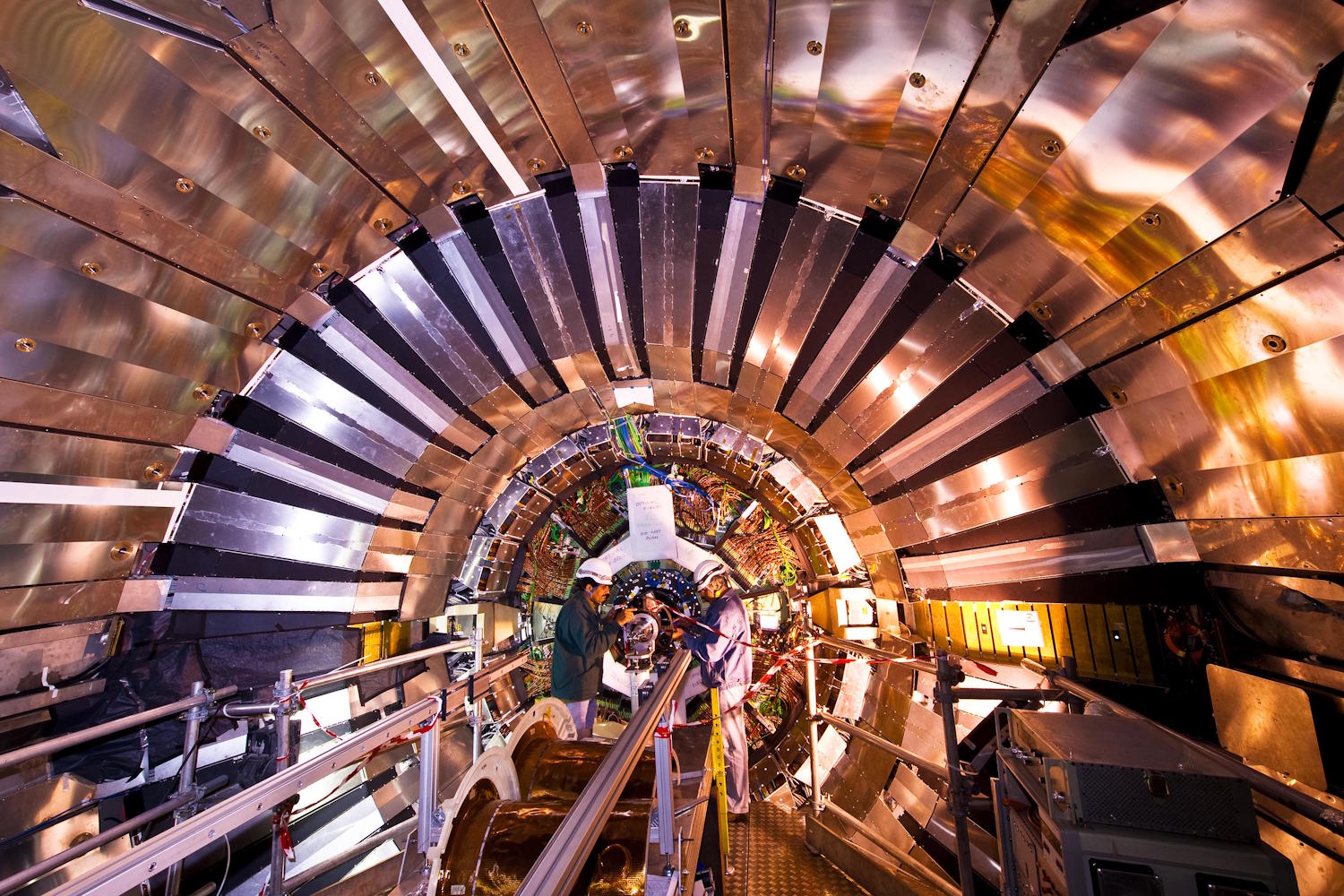
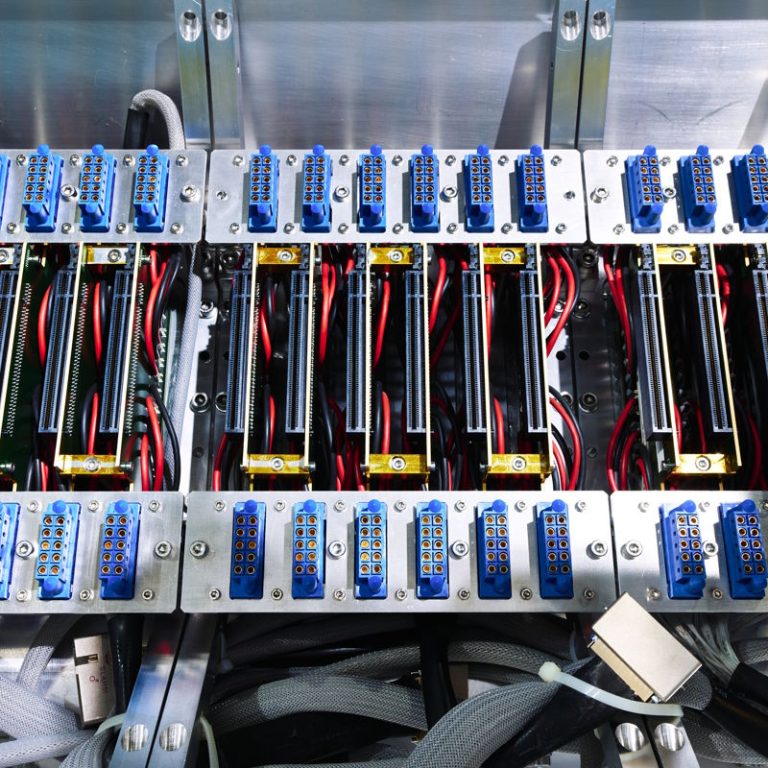
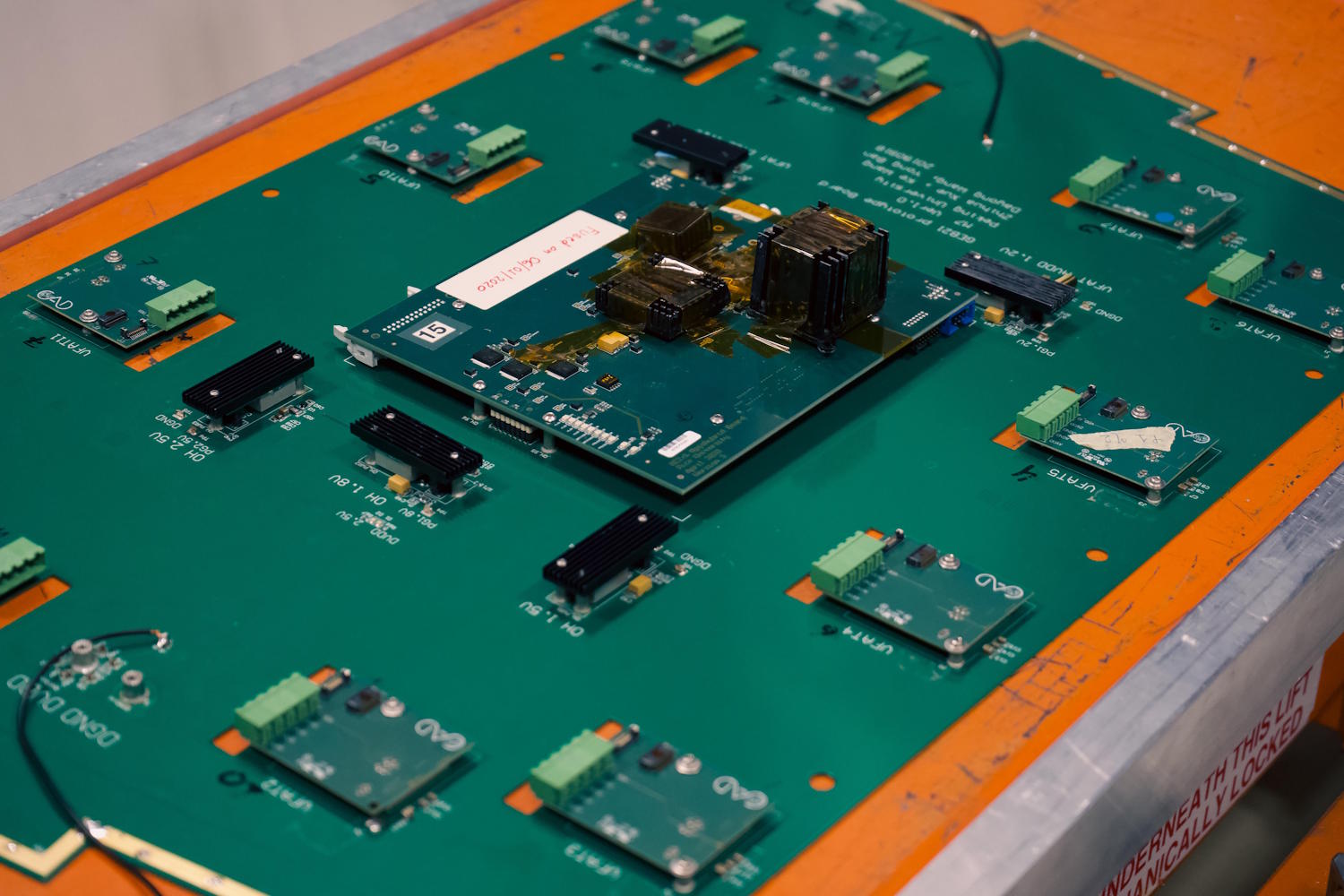
Experimental Physics starts with designing detectors and setting up large-scale experiments to explore the fundamental laws of nature. From initial concept to final construction, physicists ensure that every experiment pushes the boundaries of what’s technologically possible.

Collecting and Analysing Data to Unlock the Universe
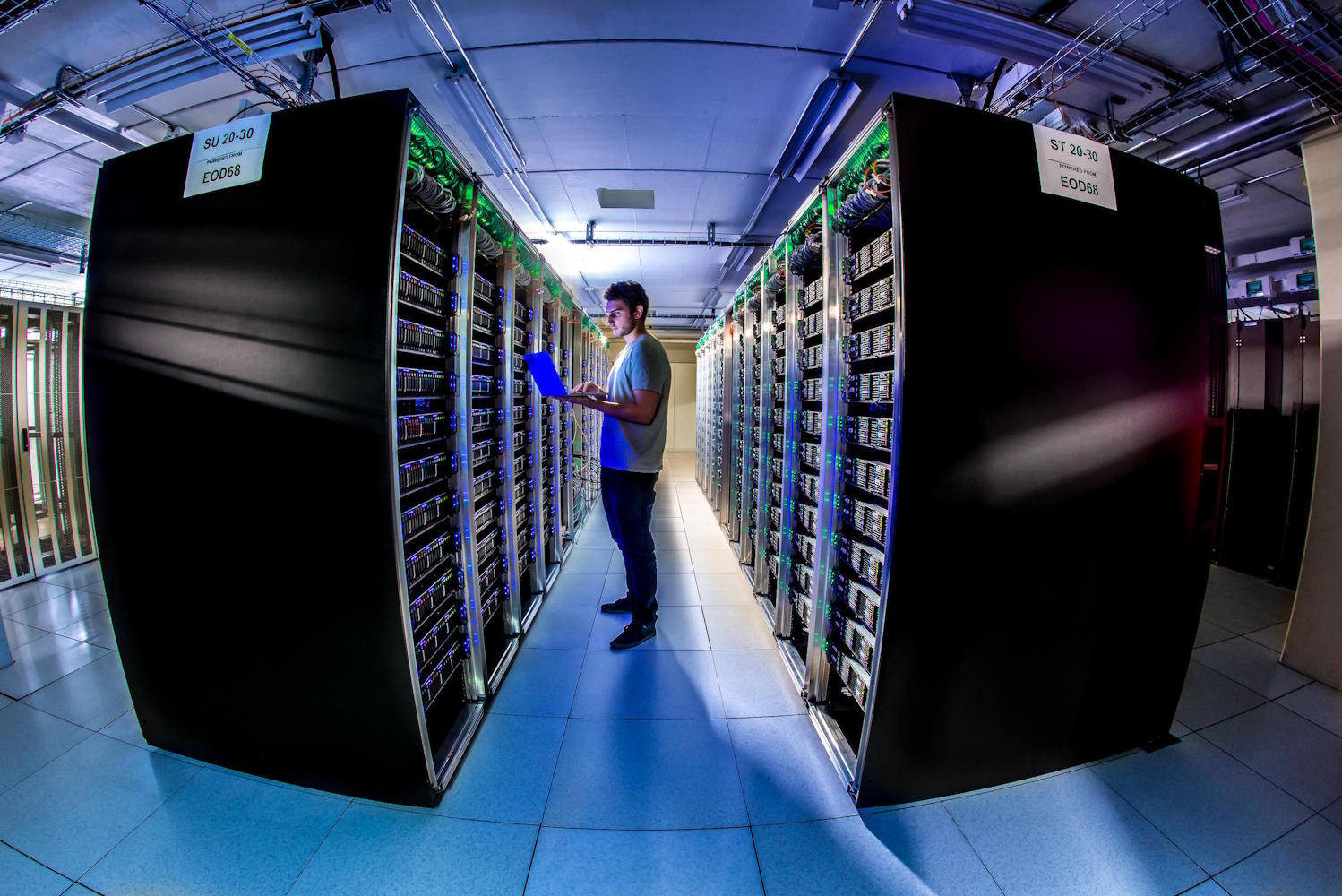
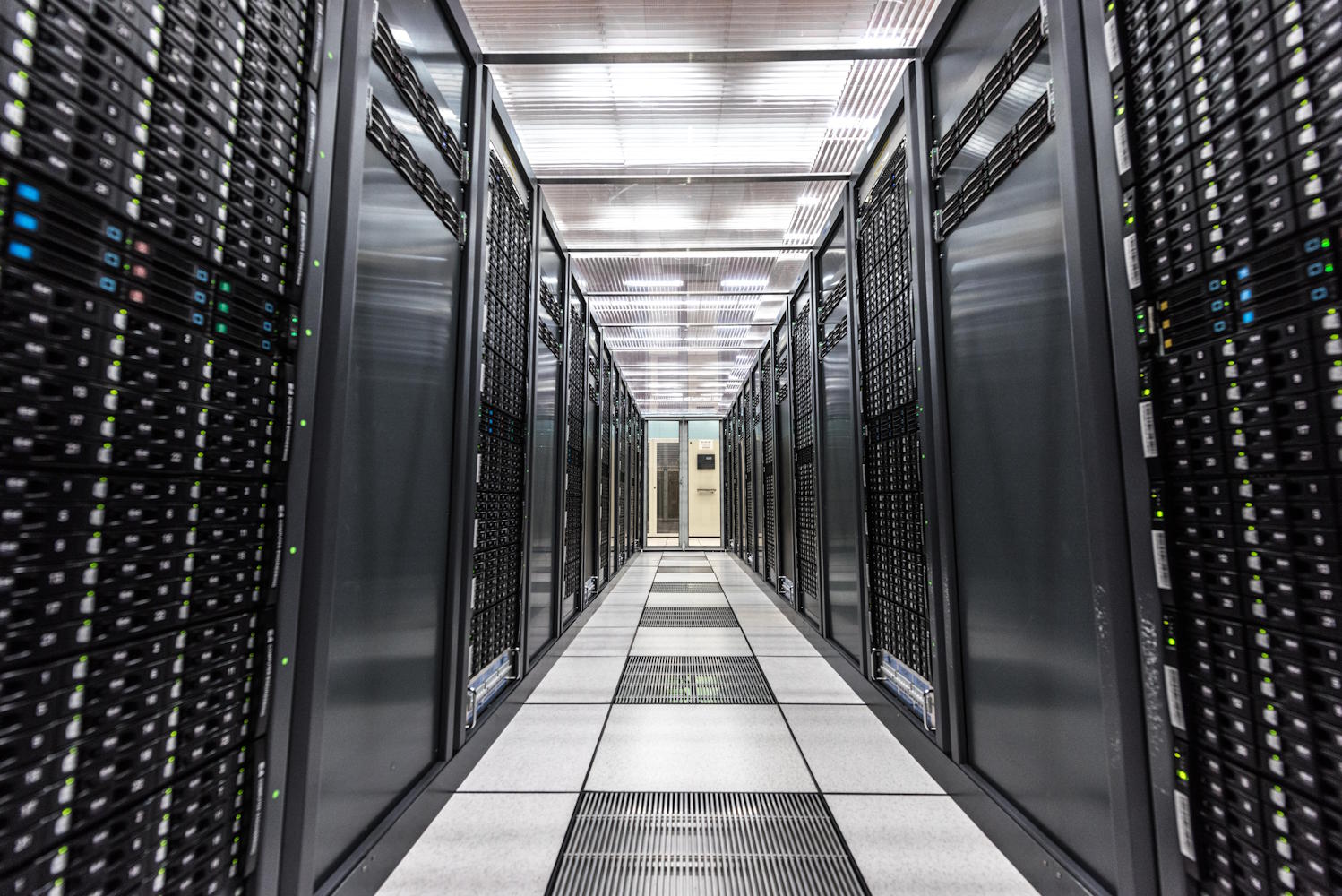
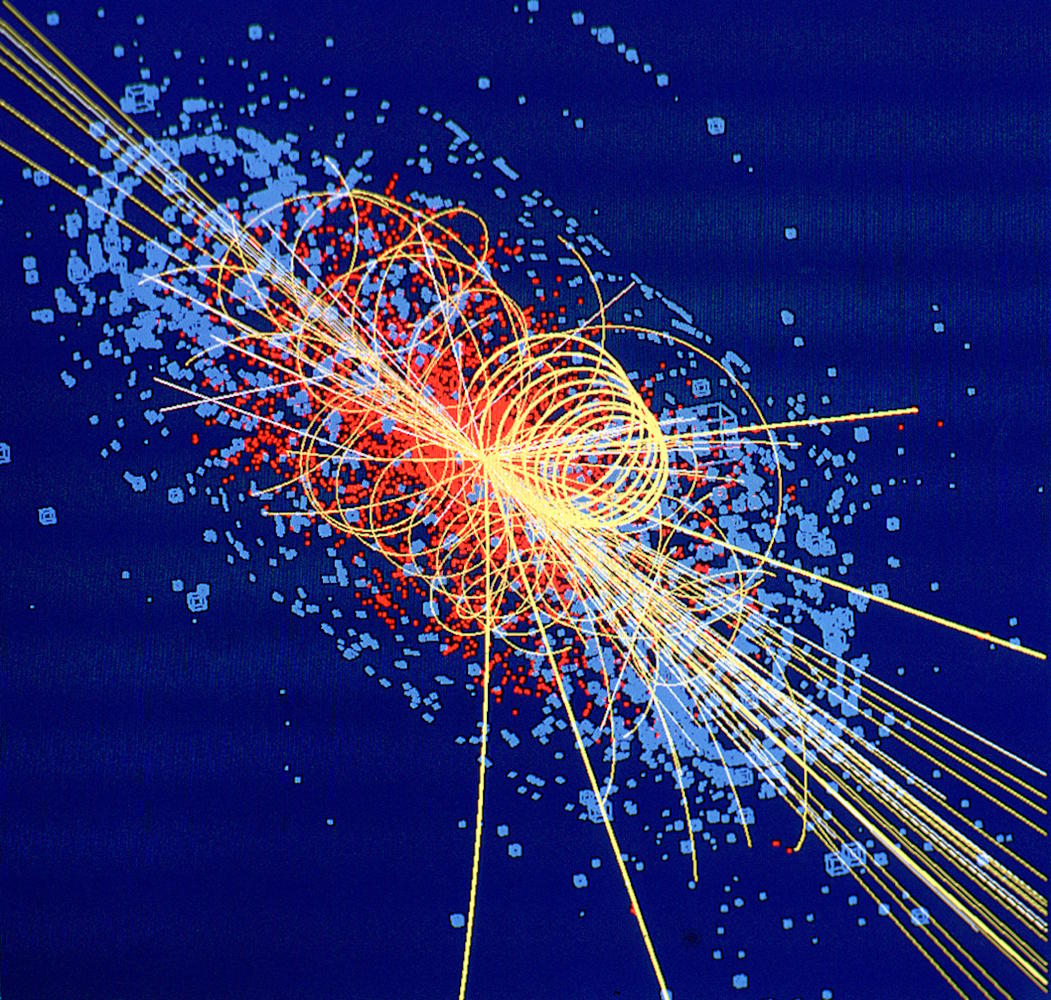
Once an experiment is running, a new challenge begins: capturing, processing, and making sense of vast amounts of data. By developing advanced data analysis techniques and working with powerful computing systems, physicists extract meaningful insights that could lead to groundbreaking discoveries.

Interpreting Results and Challenging Theories
Raw data becomes real physics when it is compared with theoretical models. Physicists interpret results, test predictions, and sometimes even uncover phenomena that challenge our understanding of the universe. Through collaboration with theorists and the global scientific community, they refine our knowledge of fundamental forces, particles, and the nature of reality itself.
That's a fact!
Experimental Physics at CERN doesn’t just study the universe: it recreates conditions from the first moments after the Big Bang!
Explore the diverse fields of work at CERN
Discover how your role can transition across various departments