
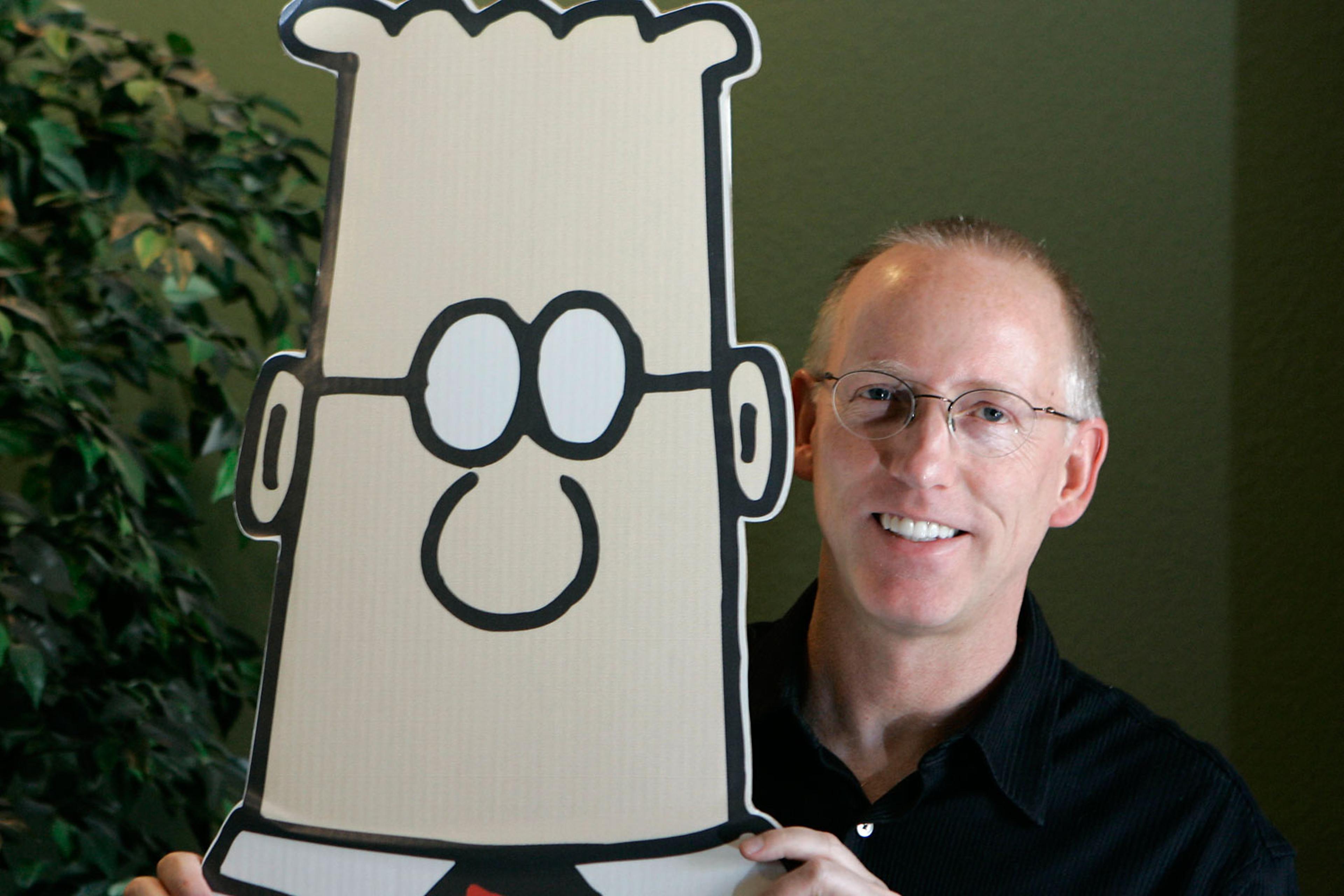
Scott Adams created a multimillion dollar empire. That empire is more commonly known as “Dilbert.”
I mentioned him on this blog before because he gave some of the simplest, most profound advice for getting along with people that I’ve ever heard:
If you’ve read Dilbert, you know Adams understands a great deal about human nature.
(Then again I probably relate more to Calvin and Hobbes than most of the western canon.)
Advertisement
His new book, How to Fail at Almost Everything and Still Win Big: Kind of the Story of My Life, has a number of useful insights about life.
And what’s really fascinating is they line up with a lot of the research I’ve posted about before.
Here are 5 great life lessons he gives and the research I’ve posted that backs them up:
Have A System, Not A Goal
This is such a powerful distinction. Losing 20lbs is a goal, eating right is a system. Which one do you think provides a better path to success?
“”
Advertisement
A system provides a method and requires activity on a regular basis. That’s how successful people operate.
“”
Oliver Burkeman pointed out research that made a very similar distinction in my interview with him:
“”
Success Creates Passion More Than Passion Creates Success
Many people are passionate about things but don’t follow through. Passion is great — but it’s not everything.
“”
Dilbert didn’t start out as a passion project. Adams describes it as another get-rich-quick scheme he had.
Advertisement
But once it became successful he developed passion for it.
“”
This sounds a lot like what Georgetown professor Cal Newport said in our interview:
“”
Advertisement
Focus On Energy, Not Time
Scott Adams determines what activities to engage in by his energy level. To be creative he needs peak energy, so he draws Dilbert in the morning.
By the afternoon, his brain is fuzzy. That’s a good time for busy work.
“”
How can you do this if you’re not a rich and famous cartoonist? Wake up early to work on your own projects first.
Advertisement
“”
Sounds like my main takeaway from The Power of Full Engagement:
Energy, not time, is the fundamental currency of high performance.
Fake It Until You Make It
How do you overcome shyness? Out and out acting.
“”
Advertisement
And what are other tips to conversational expertise? Focus on making others feel good and act interested (even if you’re not.)
“”
And scientific research on “fake it until you make it“ agrees.
Advertisement
In this TED talk, Harvard professor Amy Cuddy explains her research on how acting powerful can make us feel powerful:
In The As If Principle, Richard Wiseman shows how your actions might determine your feelings.
Researchers told people to smile. What happened? They felt happier.
“”
Increase Your Happy Thoughts Ratio
Good things happen to all of us all the time. But we often fail to keep them “top of mind” and to appreciate them.
Advertisement
Scott Adams recommends making an effort to increase the number of times you think about the positive things.
A simple trick you might try involves increasing your ratio of happy thoughts to disturbing thoughts.
This lines up perfectly with Seligman’s 3 blessings exercise — the most powerful happiness booster out there.
“”
Join 45K+ readers. Get a free weekly update via email here.
Advertisement
Related posts:
This piece originally appeared on Barking Up the Wrong Tree.