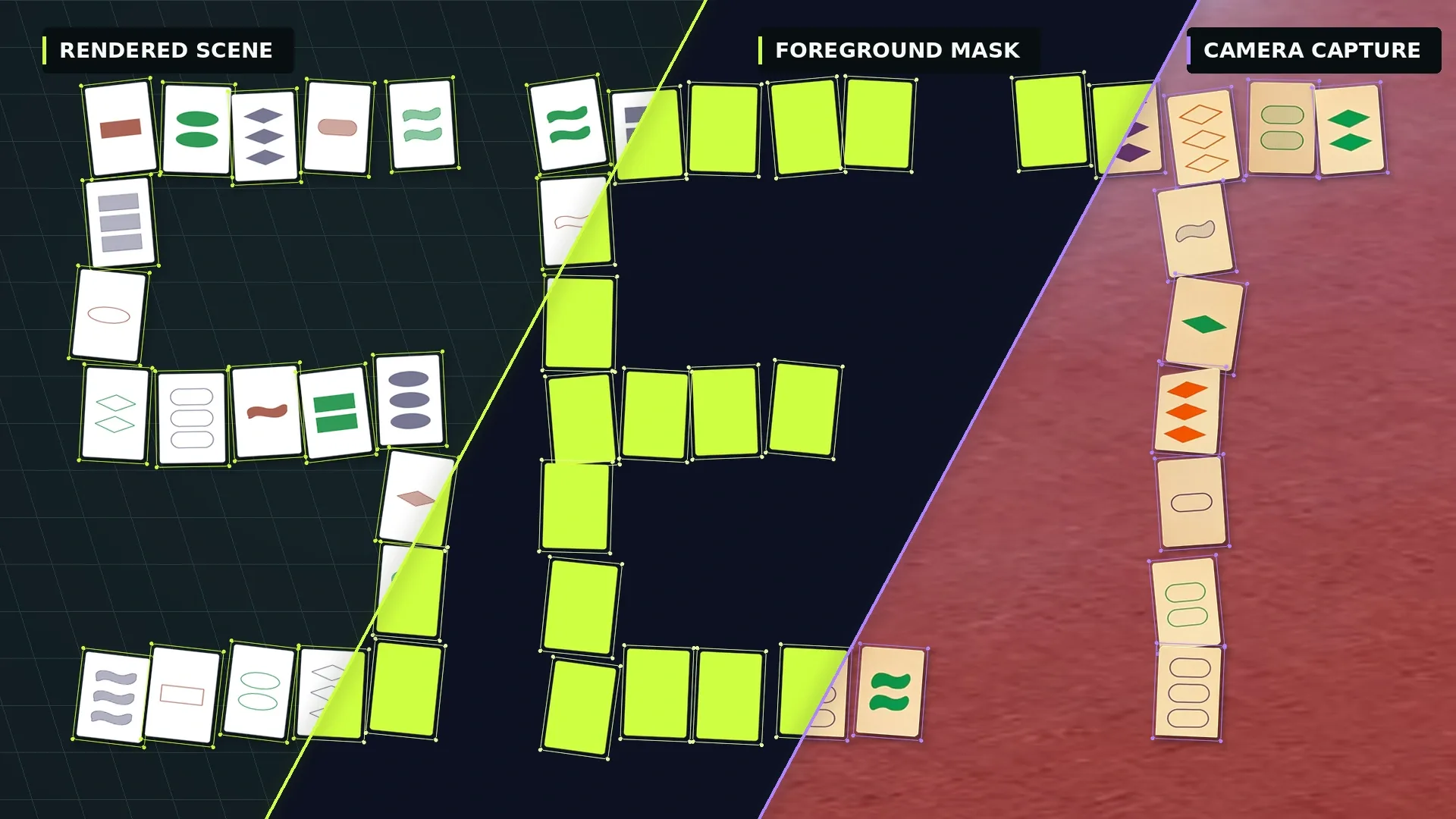
Training models on procedurally generated datasets for card detection and segmentation
Training models on procedurally generated datasets for card detection and segmentation

Towards Spec-Driven Test Automation, Part 4

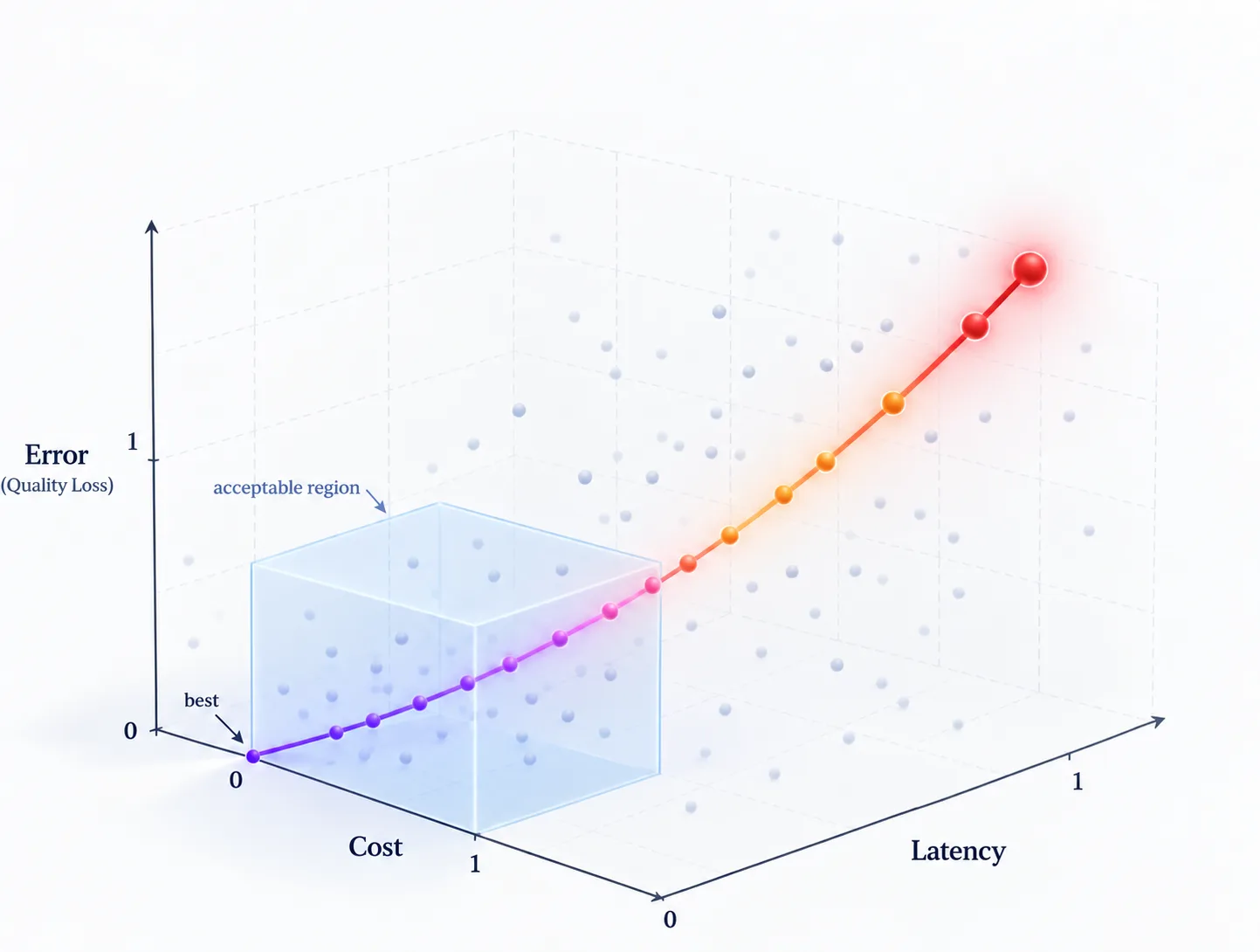
I tested LLM routing to understand why switching models mid-session can erase the savings promised by cheaper inference
Turn scattered requirements into deployable agents

A million-token output window changes what you can hand a model in one go, and the benchmarks and the bill show who it actually suits.

ML model adoption doesn't stop with acceptance of accuracy; it starts there.
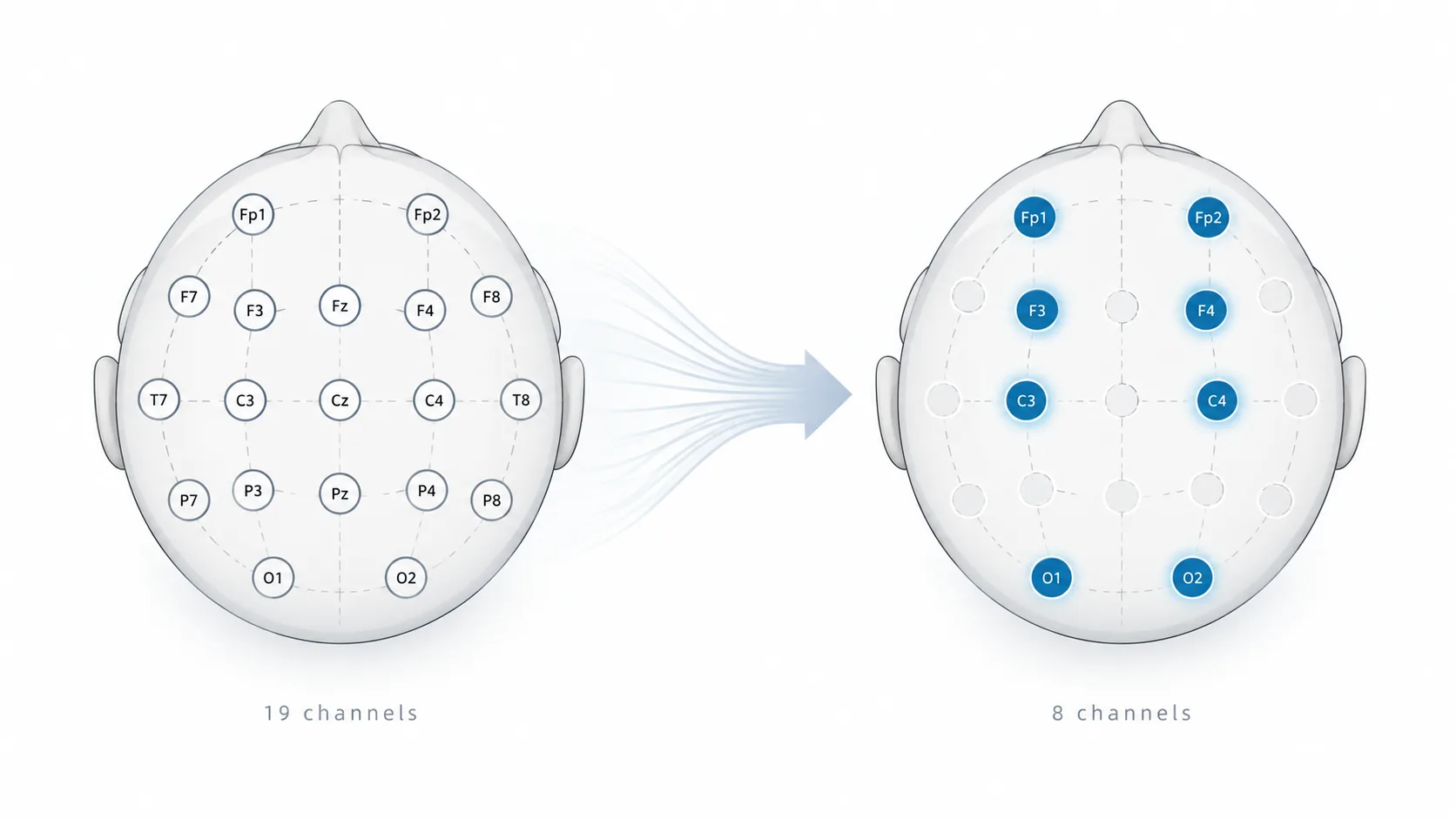
Testing sensor reduction, feature ranking, and generalization to unseen participants

How technical choices can lead to safety failures, and what to do differently
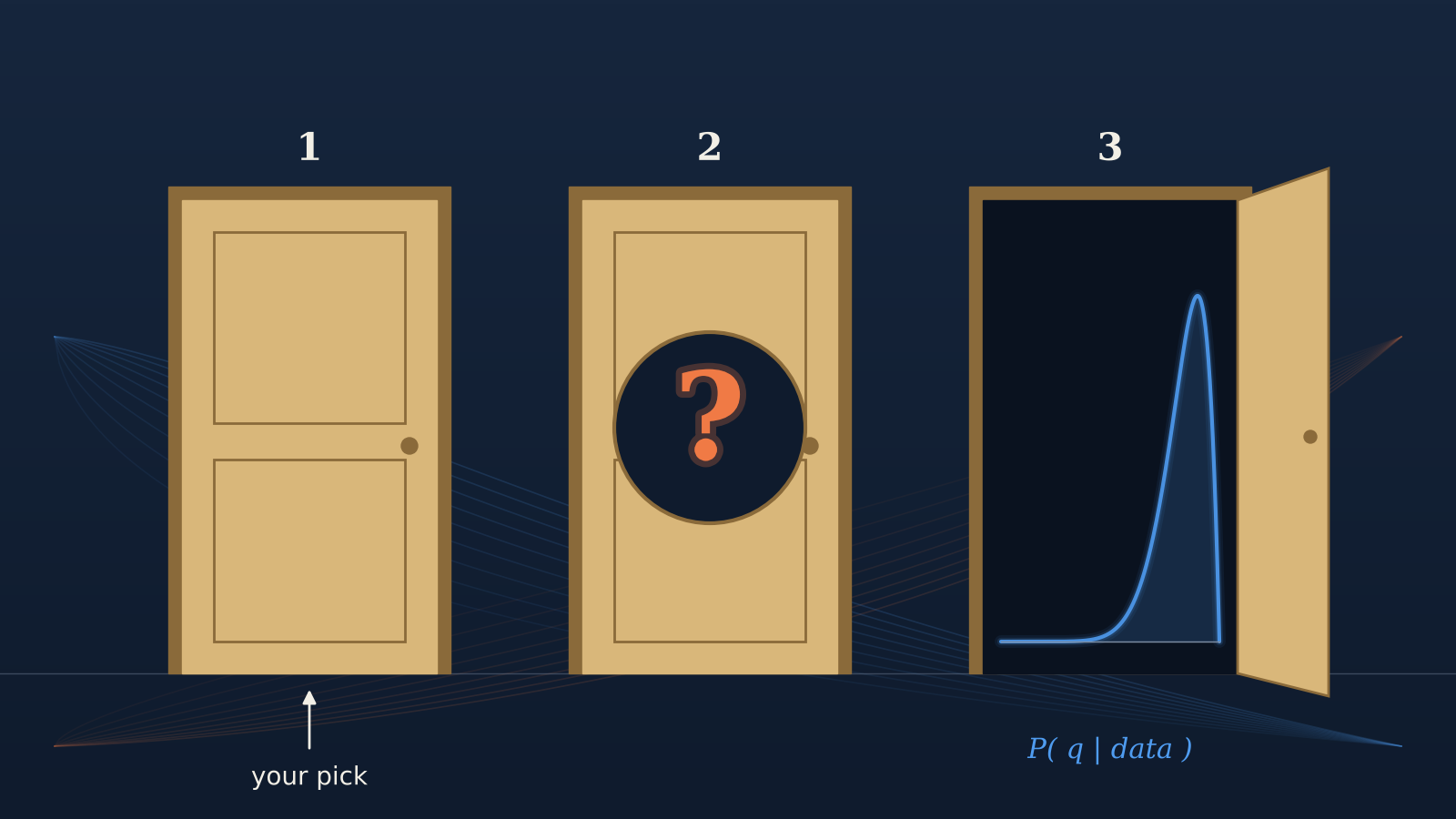
"Always switch" is true for one particular host. Watch a few episodes and you can work out which host you've got.

The statistical paradox that shows how combining data can reverse the story.
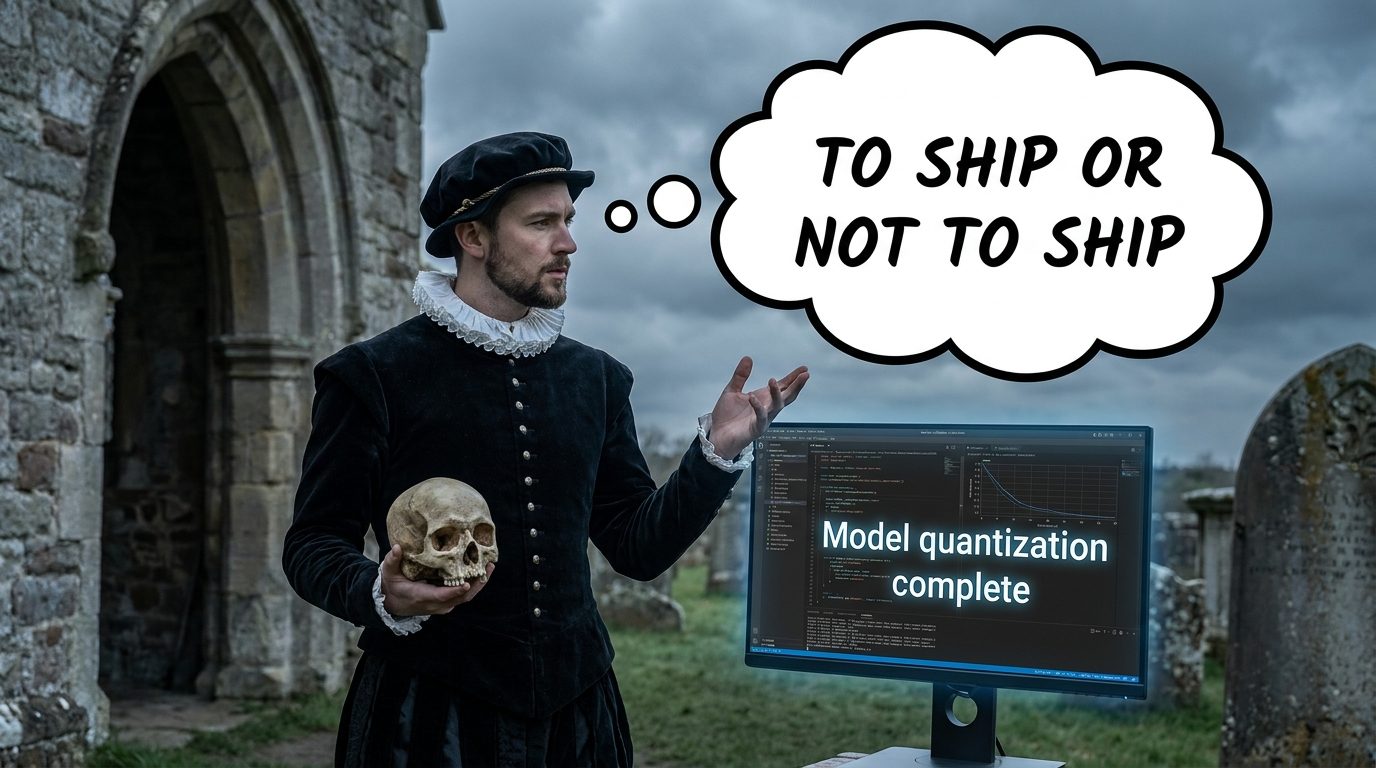
Ten quantization guides, and not one threshold-dependent metric between them — what that gap hides, and the two numbers that close it.
Training models on procedurally generated datasets for card detection and segmentation
Towards Spec-Driven Test Automation, Part 4
I tested LLM routing to understand why switching models mid-session can erase the savings promised by cheaper inference
ML model adoption doesn't stop with acceptance of accuracy; it starts there.
How technical choices can lead to safety failures, and what to do differently
The statistical paradox that shows how combining data can reverse the story.

Sorting through the good, bad, and ambiguous aspects of vibe coding

Don't miss our most-read and -shared stories of the past month
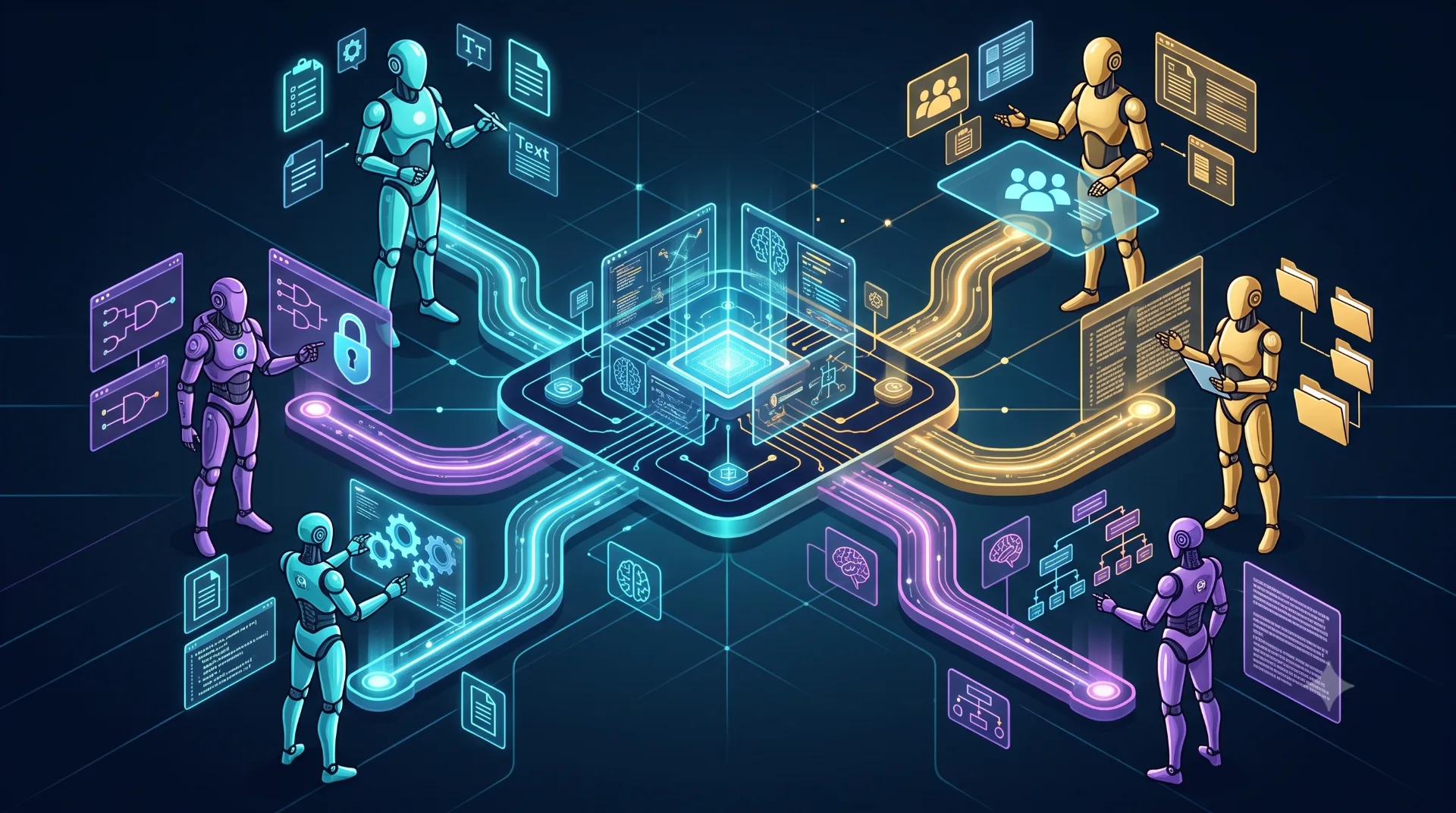
Beyond basic ReAct loops: six production-oriented architectures for building autonomous, reliable, and scalable LLM agents.
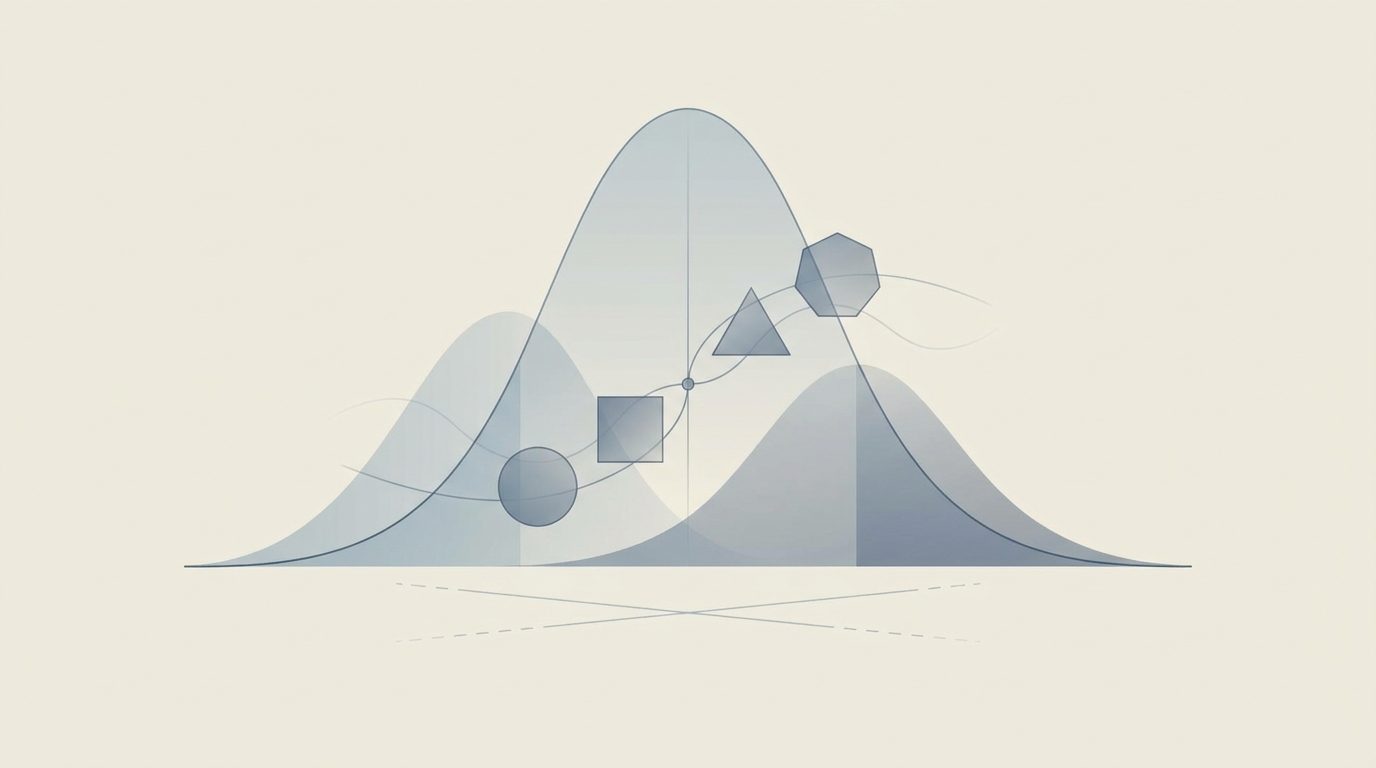
How statistical moments connect the mean, the variance, and higher powers of a distribution
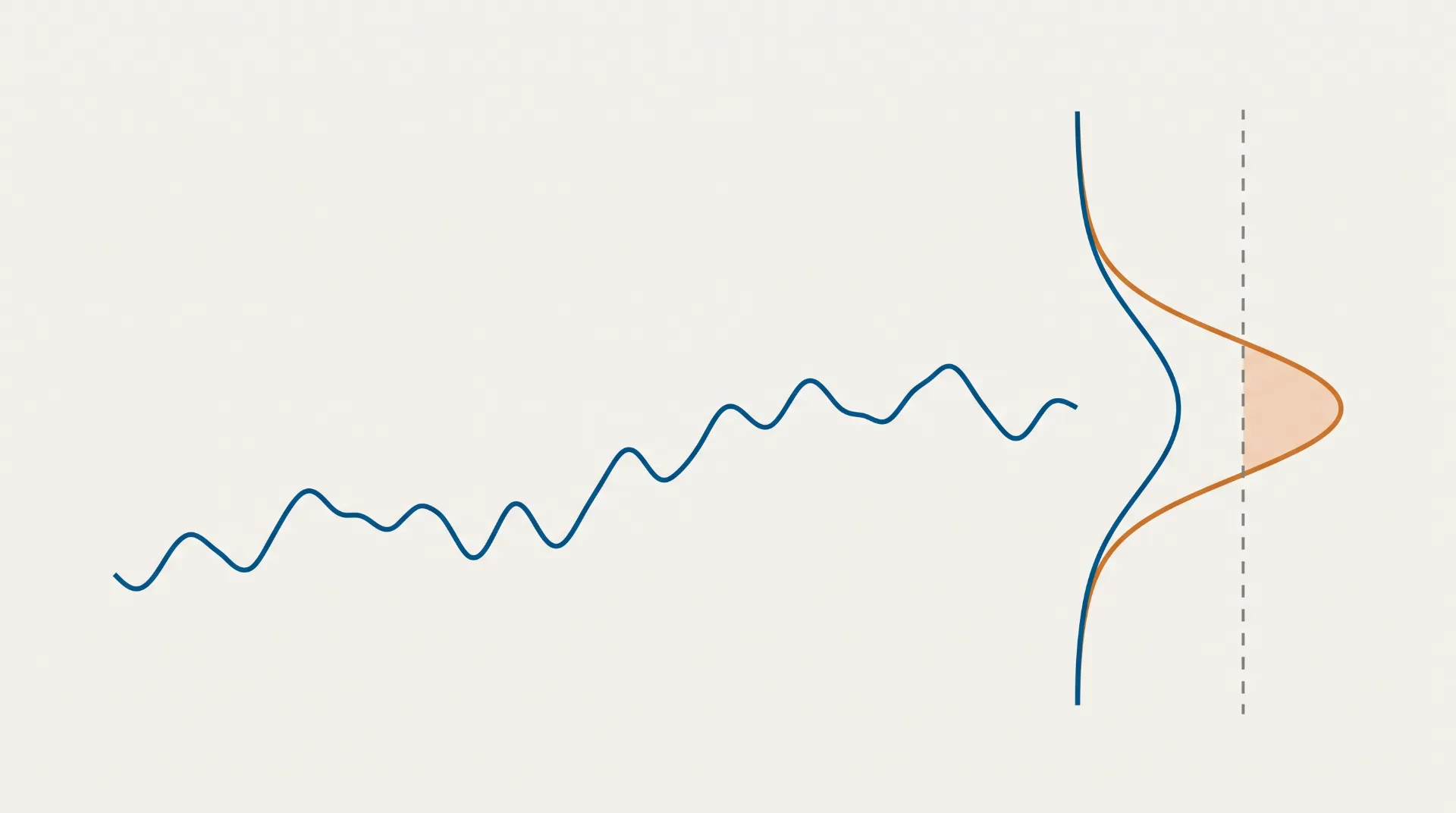
First in a series on probabilistic forecasting for physical signals. Next: what happens when you roll the forecast forward more than one step.

When Codex is the right shape for the problem, when Claude Code is, and how I split 5 specialist agents between them on dense AI capacity work.

Why the skill-inflation panic is aimed at the wrong thing, and what it costs to make agent knowledge a build artifact instead of a file.
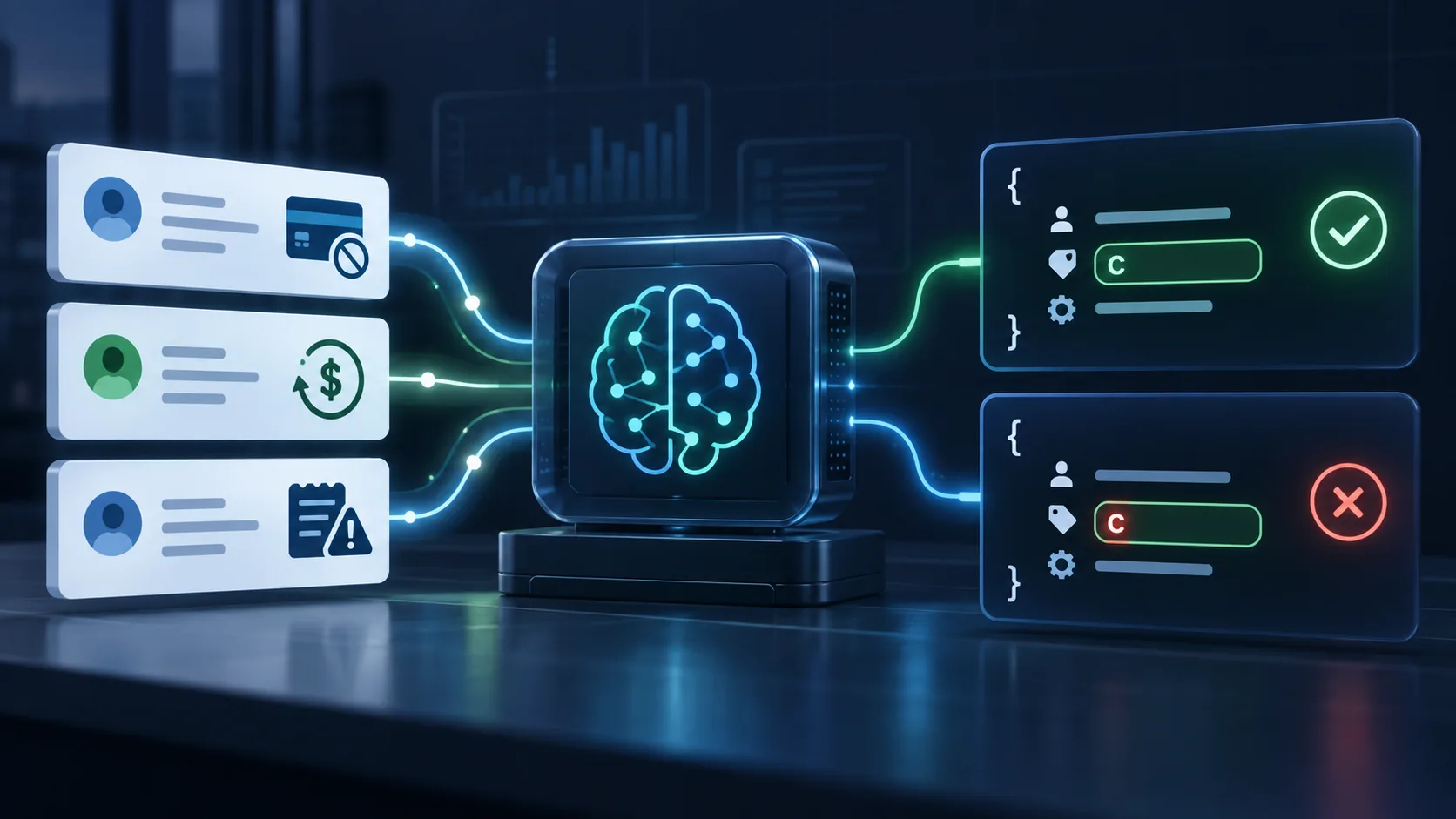
A real Weave project that regression-tests three OpenAI models against the exact reply format your app depends on.