
Meet Annautaq, an orphaned Pacific walrus calf whose unexpected discovery during USGS research in Alaska saved his life.
Last month, USGS biologist Tony Fischbach and Violet Anniskett, an Illisavik College intern, were surveying a beach after a storm moved a walrus herd from the
What can lava samples tell us about Kīlauea’s recent summit lava fountains? 🌋
Since the current eruption began in late 2024, scientists with our USGS Hawaiian Volcano Observatory have analyzed 178 lava samples from episodes 1–39 to better understand the magma feeding the
500 million years of Earth’s history are written in the rocks of the Sierra Nevada. 🗺️⛰️
The Sierra Nevada is one of the most iconic landscapes in the western U.S., a major mountain range stretching north to south along eastern California and into a small portion of western
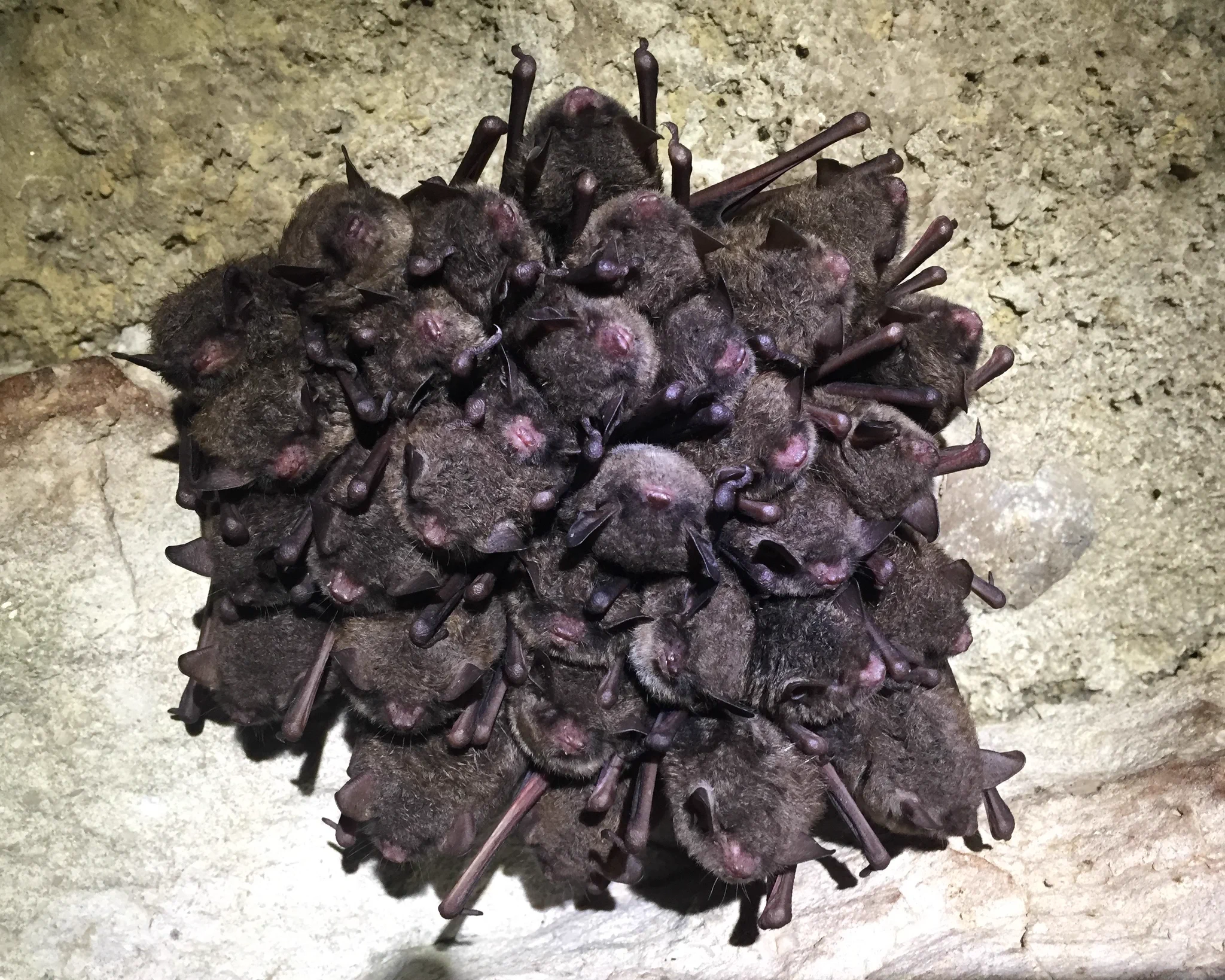
Ready to go batty? 🦇 Celebrate Bat Week with a few fun facts about these nighttime flyers!
🦇 Bats eat – a lot! A single little brown bat, which has a body no bigger than an adult human’s thumb, can eat 4 to 8 grams (the weight of about a grape or two) of insects each night.
Something strange is haunting the coast.
Along the edges of rivers, marshes, and bays, stands of tall, gray, leafless trees rise from the water like skeletons. These are ghost forests, and they are as real as they are eerie.
Ghost forests form when saltwater reaches land once