





Louisiana politicos and lobbyists packed into the conference room of Shell’s K Street office in Washington last January. It was the first night of the annual Washington Mardi Gras, and members of Gov. Jeff Landry’s new administration, just weeks removed from the inauguration, had a lot of hobnobbing and networking to do.
Anne Villa, then acting secretary of Louisiana Economic Development, had flown up from New Orleans earlier that day and was in the mix, taking it all in. Ed Jimenez, an economic development executive with Entergy Louisiana, spotted Villa and pulled her aside to a quiet corner.
“When we get back, we’ve got to talk,” Villa recalled Jimenez saying. “‘We have a big project, and we think Louisiana can be a contender.’”
Just days earlier, Jimenez and Entergy Louisiana CEO Philip May hosted half a dozen tech executives at Entergy's headquarters in New Orleans. They were from Facebook parent company Meta, the social media giant with nearly 3.3 billion daily users and big plans to become a juggernaut in artificial intelligence. May had gotten wind that they were looking for a site in the South to build a data center, the hubs of servers and networking technology that power the internet, AI and, essentially, the modern world.
And it wasn't just any data center — Meta was looking to build one of the biggest single-site data centers on the planet, which would require lots of empty land and loads of electricity.
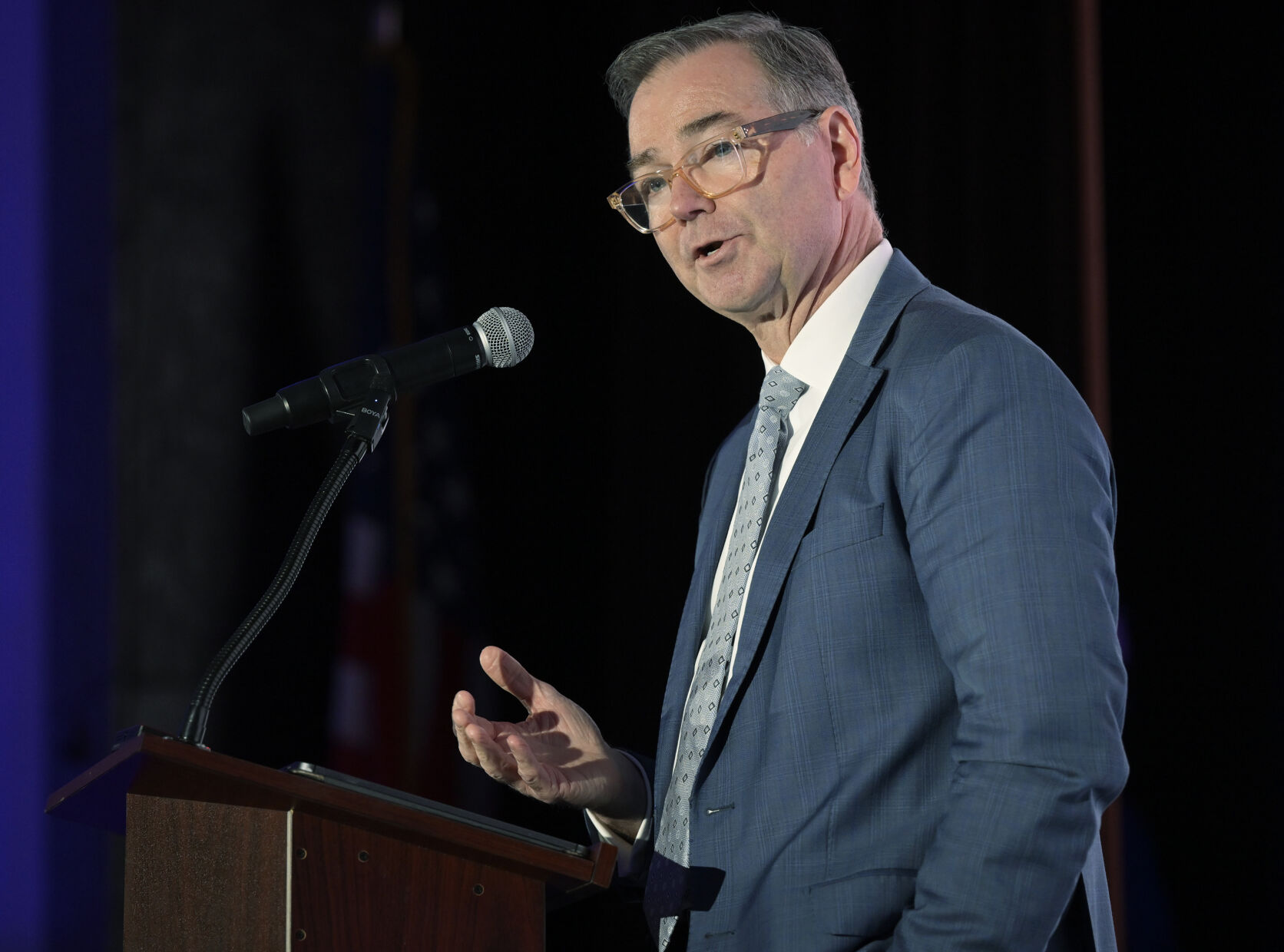
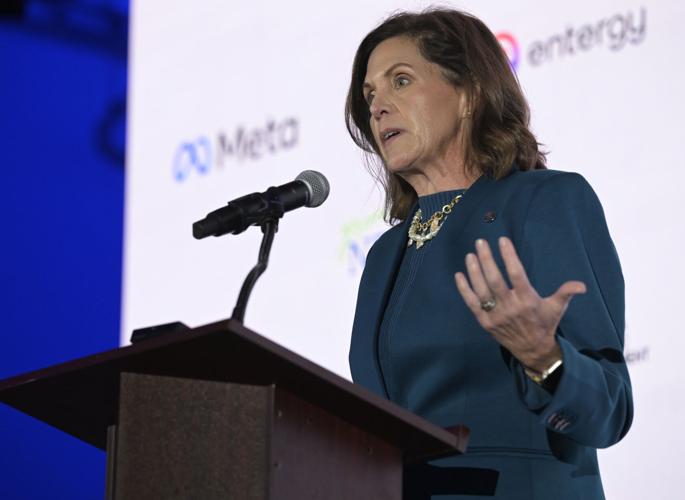
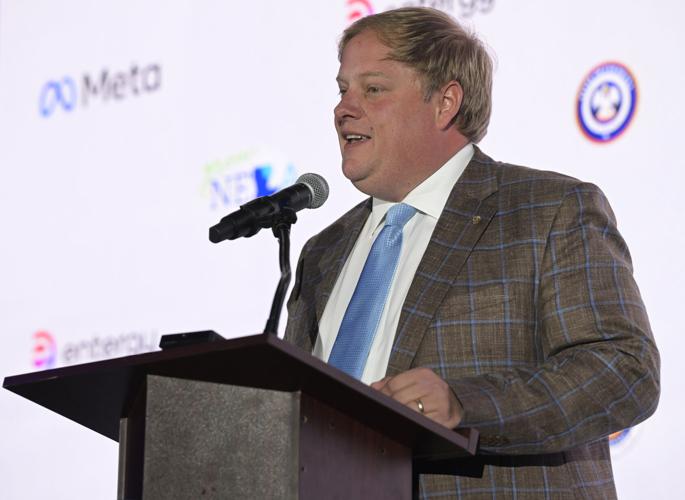
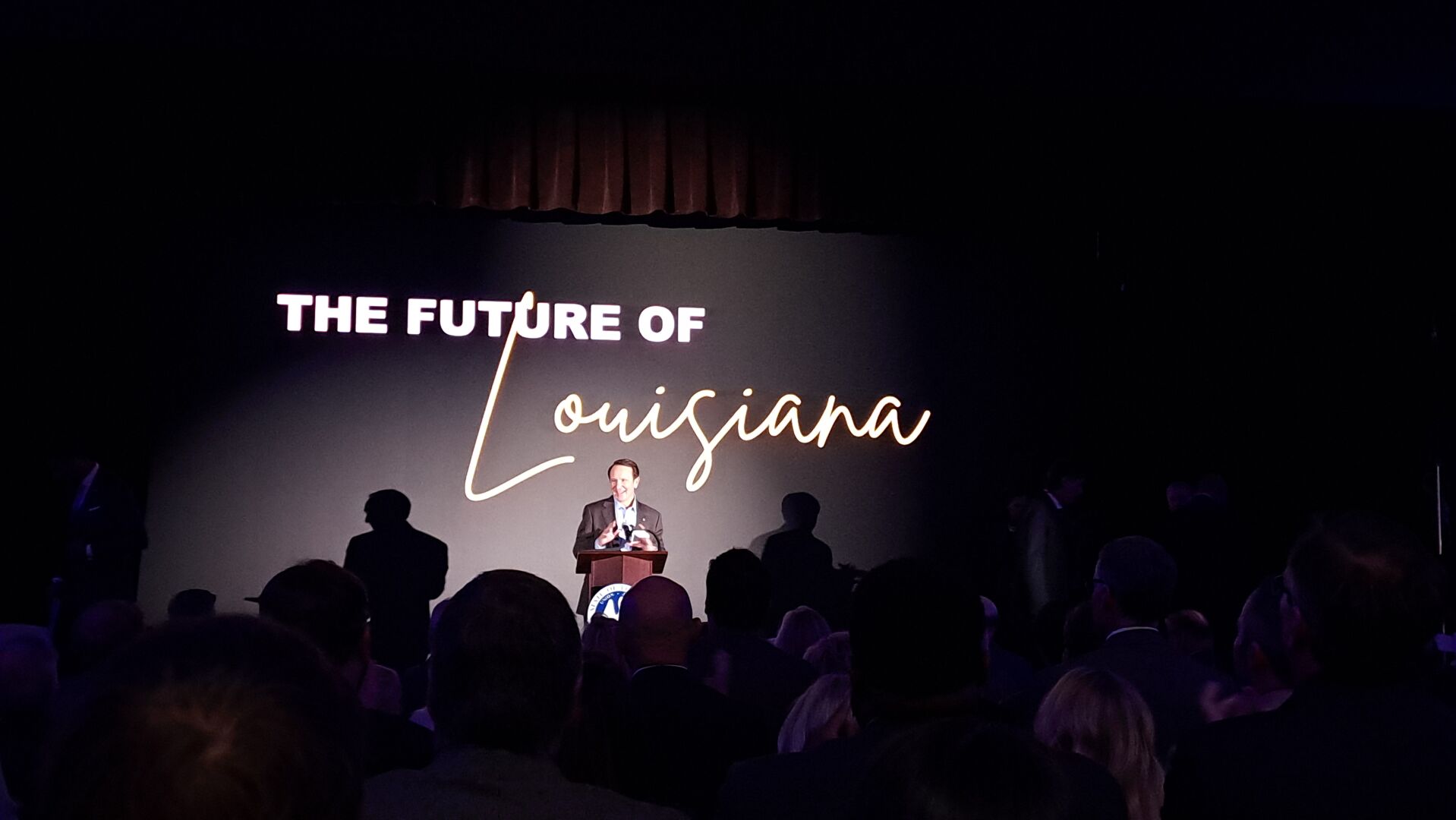
Phillip May, Entergy Louisiana president and CEO, speaks during an event in Rayville, La., Wednesday, Dec. 4, 2024, to announce that Meta will build an artificial intelligence optimized data center in Richland Parish.
May's team had gotten a meeting, and the pitch extended from Entergy's offices to a dinner at nearby Copper Vine, where over swanky bistro fare, the Meta folks told Entergy that they would consider Louisiana but that the state would have to move fast to come up with a deal.
“We have these kinds of meetings frequently,” May said in an interview earlier this month. “But things felt different that night, like we had a real opportunity to make this happen."
A transformative deal
In the months that followed, Entergy executives, Landry, who was still unpacking boxes at the Governor’s Mansion, and members of his budding economic development team forged agreements with legislative leaders, cabinet secretaries and local government officials to put together one of the biggest economic development wins in the state’s history.
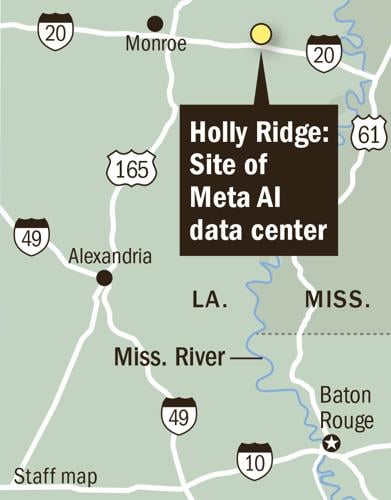
In early December, Meta announced it would build a $10 billion AI data center in the middle of Richland Parish about 30 miles east of Monroe.
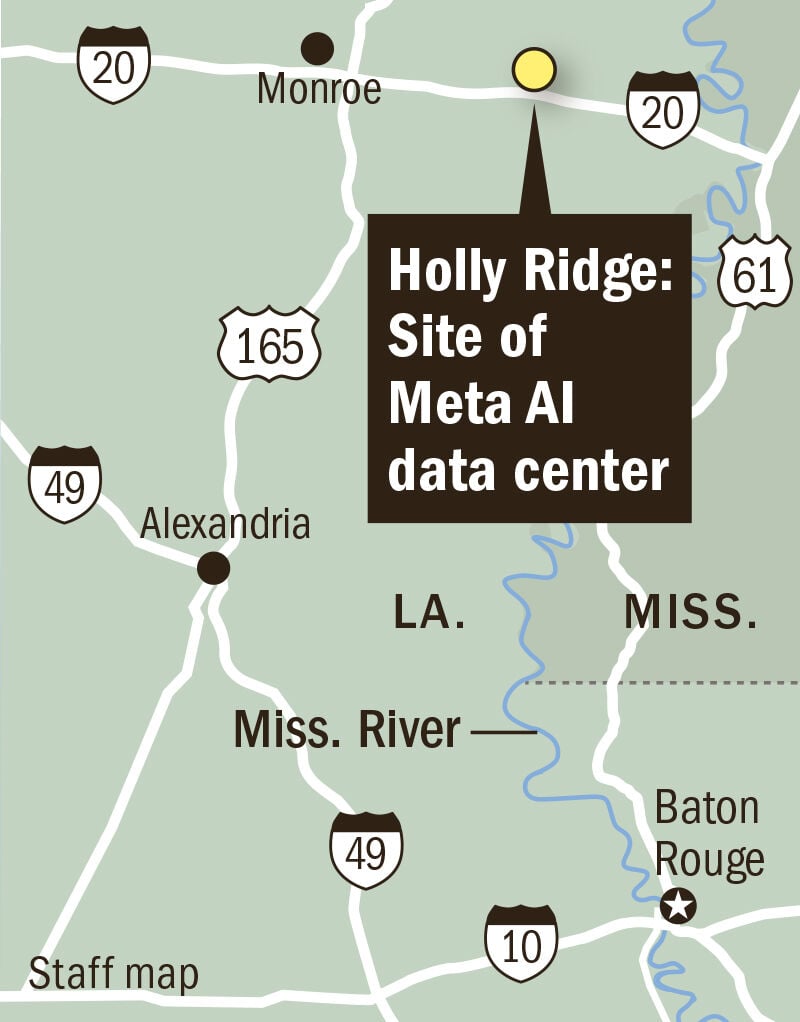
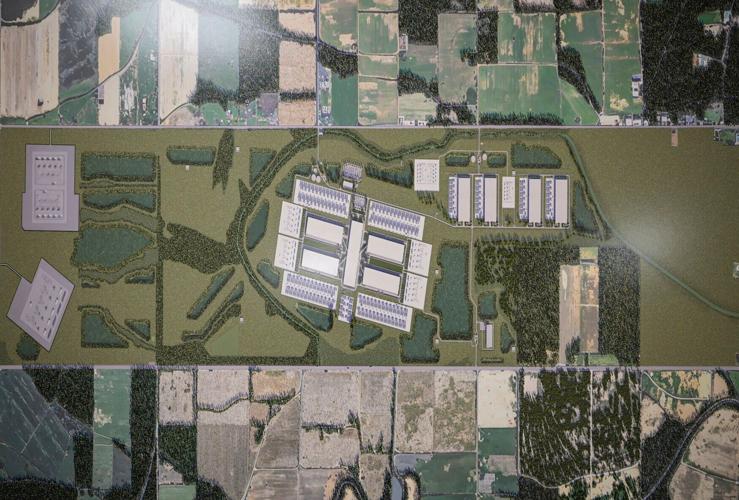
When fully completed in 2030, the 4-million-square-foot facility — more than three times the size of Louis Armstrong New Orleans International Airport — is expected to employ 500 permanent workers and support hundreds of indirect jobs.
The deal is also expected to pave the way for other data companies to build out critical technology infrastructure in a job-starved corner of the state with high poverty rates.
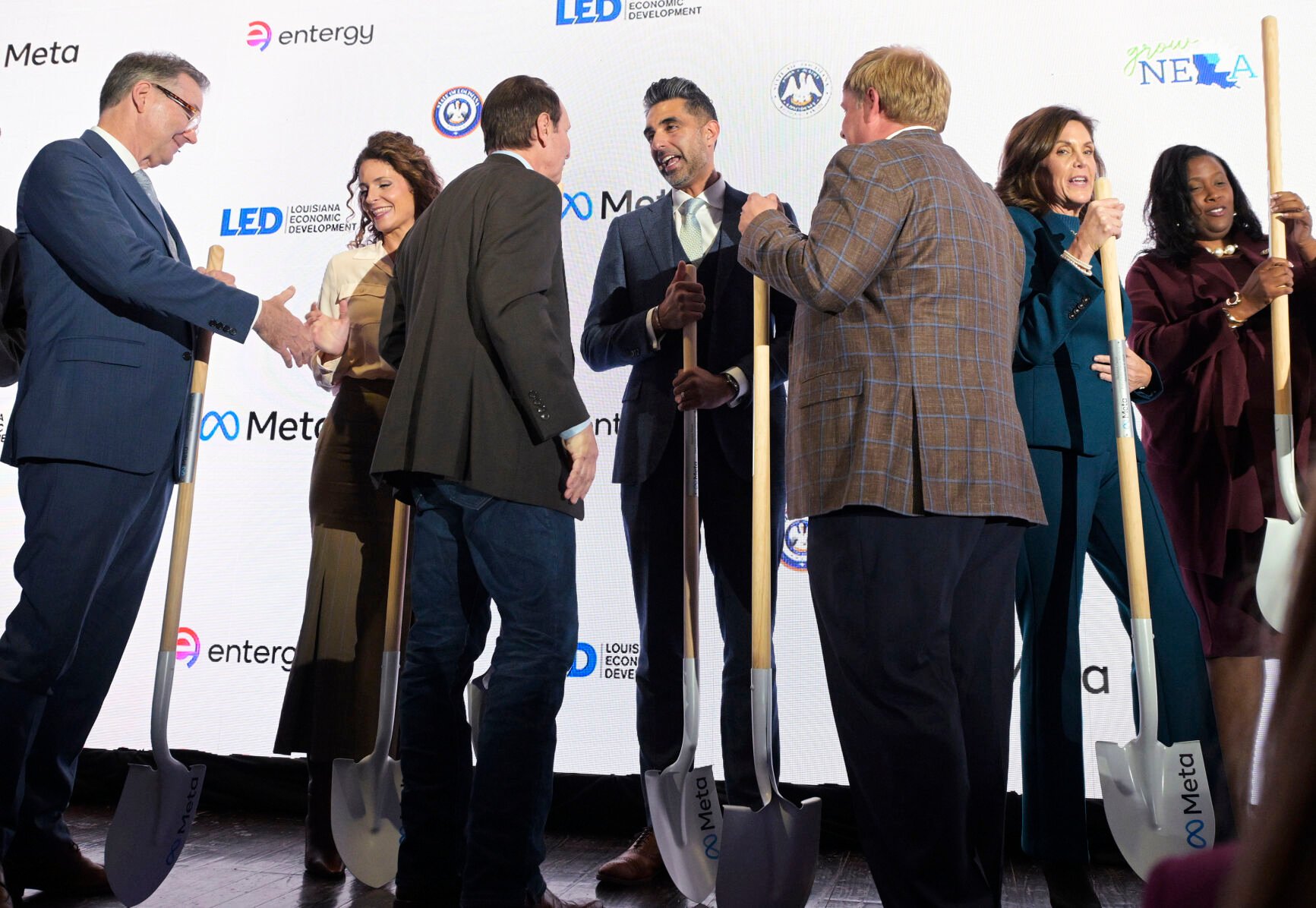
Kevin Janda, center, Meta director of Data Center Strategy, speaks with Gov. Jeff Landry, left of Janda, after an event in Rayville, La., Wednesday, Dec. 4, 2024, to announce that Meta will build an artificial intelligence optimized data center in Richland Parish.
Data centers, and Meta's proposals, are not without critics. Environmental advocates have raised concerns about the center's energy consumption, reliance on fossil fuels and the effects it could have on ratepayers. It will also plop a massive construction site into a rural parish with rolling acres of farmland and a population of just 20,000. Winning the deal required offering massive corporate tax breaks.
From an economic development perspective, however, the deal was a coup for Landry, allowing him to boast about how it would position Louisiana as "a leader in the world of technology," and to claim credit for making good on his campaign promise of being a pro-business governor after less than a year in office.
"It was such a non traditional deal that happened so fast and everyone was on the same page," said LED Secretary Susan Bourgeois, who was appointed by Landry and spent her first year seeing the project over the finish line. "It was really amazing."
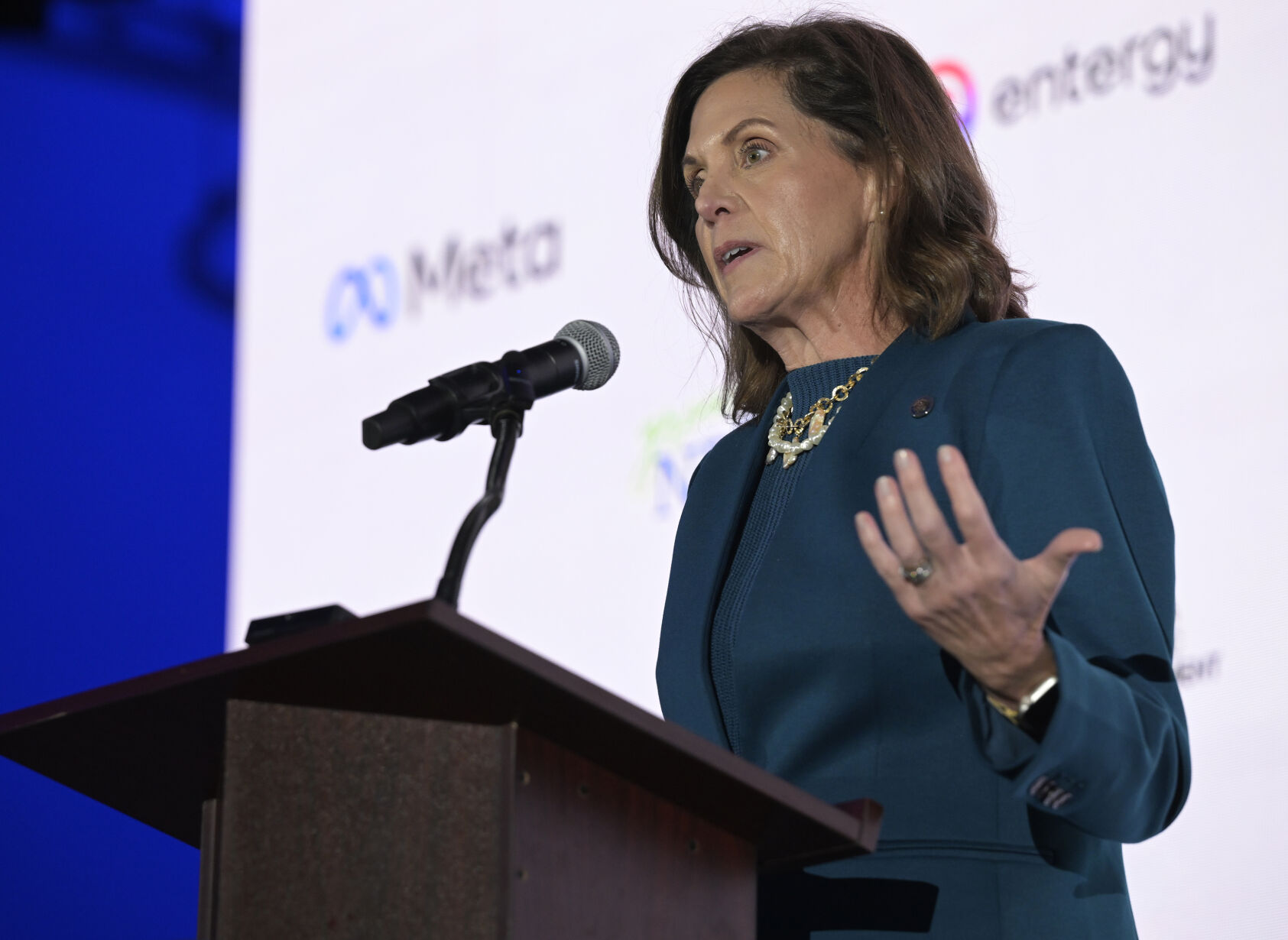
Susan Bourgeois, Louisiana Economic Development secretary, speaks during an event in Rayville, La., Wednesday, Dec. 4, 2024, to announce that Meta will build an artificial intelligence optimized data center in Richland Parish.
This account of how the deal came together is based on interviews with 12 people who were directly involved in the process. Landry declined to comment and Meta declined to make any of its employees who participated in the negotiations available for an interview. In a written statement, company spokesperson Stacey Yip confirmed Meta first engaged with the state in early 2024 and said the Richland site was chosen because of its "access to infrastructure, a reliable grid, a business-friendly climate, and wonderful community partners."
A big request
Less than a month after Jimenez gave Villa the nod over cocktails in D.C., the first meeting was held between Meta and Landry. It took place in early February at the governor’s mansion in Baton Rouge and included just a handful of participants: May and Jimenez, two representatives from Meta, newly installed Speaker of the Louisiana House Phillip DeVillier, R-Eunice, and Villa from LED.
The Meta representatives didn't tell DeVillier or Villa the name of their company, though Landry had been made aware of it. They did tell the group that they liked Louisiana and had their eyes on a site in Richland Parish that was already owned by the state and certified for industrial development.
But then came the request, and it was a big one: The project was a non-starter, they said, unless Meta could get a sales tax exemption on the billions of dollars it would spend on servers and equipment.
Other states, like Alabama, Arkansas, Mississippi and Texas, have created similar incentives in recent years. Texas, for instance, exempts data centers from state sales tax provided they're of a certain size and create at least 200 jobs. Louisiana didn’t have a similar exemption.
To add another hurdle, the 2024 legislative session, which would start a few weeks later, on March 11, was a ‘non-fiscal’ session, meaning lawmakers couldn’t take up tax bills.
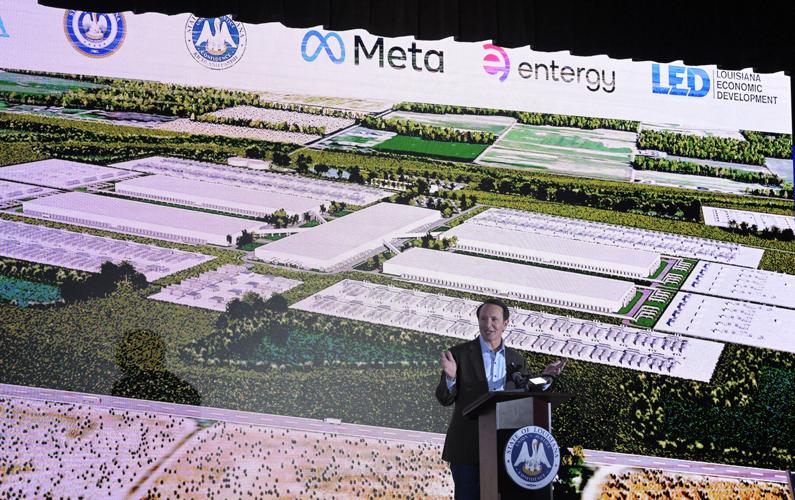
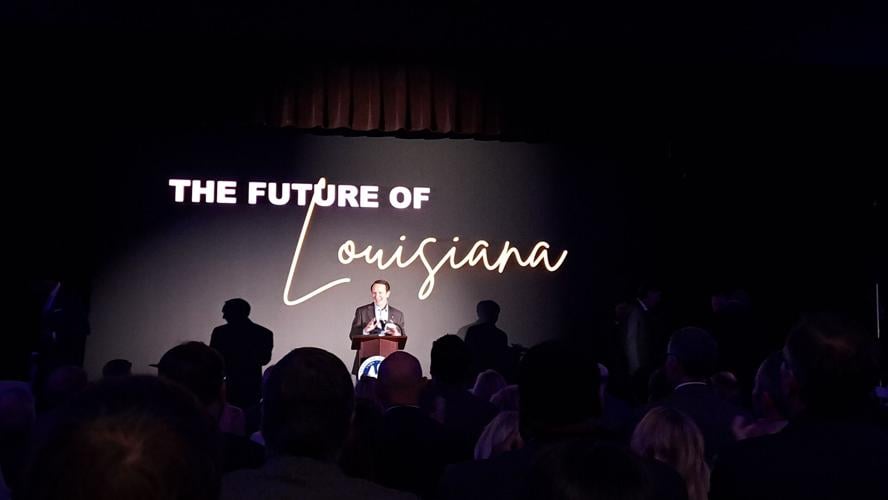
Gov. Jeff Landry announces Meta AI data center in Richland Parish.
Landry looked at the participants in the room and told them to put a deal together. He would figure out how to get Meta’s tax break through, according to three people who were in the meeting.
Villa went back to LED and briefed Bourgeois, telling her that a big data center wanted to come to Richland Parish. Landry filled in Bourgeois on the details a few days later, and in March, LED had its first virtual meeting with representatives from Entergy and Meta. They discussed specifics, incentives, timelines and everything it would take to make the deal happen.
LED set to work, researching laws and projects in competing states. They brought in an outside consultant from Virginia who advised other states on similar projects, and Shreveport attorney Mike Busada, an expert in financing economic development deals.
The to-do list included passing a new sales tax exemption, creating property tax incentives, working out land deals, changing local zoning laws, agreeing to build roads and securing the blessing of utilities regulators.
“We were having three meetings a week, often for three or four hours,” May said. “We have been involved in projects that have taken years. This timeline was incredible.”
'He was going to have to hijack my bill'
The legislative session loomed. Landry had a huge list of initiatives he wanted to tackle during the first year of his administration and he'd need plenty of political capital to do it. The Meta tax breaks were now part of the plan.
A few weeks into the session, Landry called a meeting in his office on the fourth floor of the capital. It included all of his cabinet secretaries and key legislators, including DeVillier.
“Everybody whose department would play a role was there,” said Bourgeois. “The governor told me to pass out blank NDAs and made everyone sign."
Soon after, state Rep. Chris Turner, a three-term Republican from Ruston, was on the balcony of the historic Pentagon apartments when DeVillier said they needed to talk about a bill he had sponsored. House Bill 827 would create a tax rebate on broadband equipment to try and prod companies to bring high-speed internet to rural areas. DeVillier wanted to rewrite it.
“He said he couldn’t tell me why, but that he was going to have to hijack my bill,” Turner said.
Though lawmakers couldn’t take up tax exemptions during the regular session, they could vote on tax rebates. Turner's bill was just what Landry and DeVillier were looking for. The broadband bill had passed the House Ways and Means Committee but still had to clear the House Appropriations Committee and then the full House and Senate. DeVillier and Landry’s Revenue Secretary Richard Nelson, a former lawmaker from Covington, rewrote the bill to make the rebate apply to data centers, not broadband equipment.

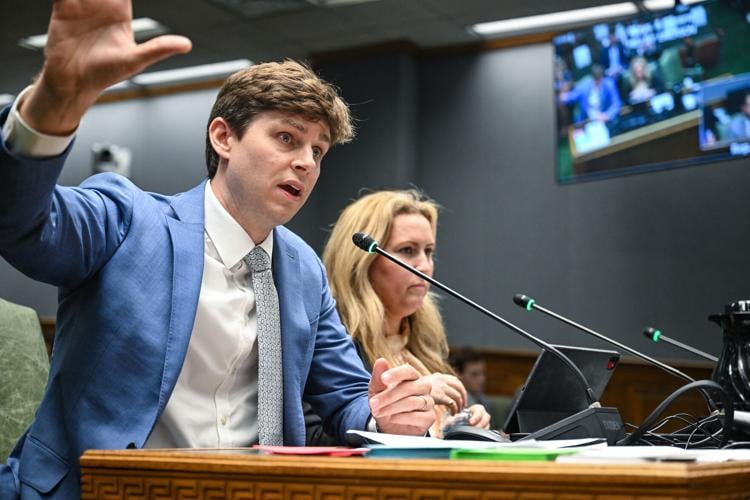
Richard Nelson, Secretary of the Louisiana Department of Revenue, speaks alongside State Representative Julie Emerson, R-Carencro, during the House Ways and Means committee meeting at the state capitol on November 7, 2024.
"It was really the deal breaker," said Nelson. "We had to get that fixed before we did anything else."
When the revised bill came before the Appropriations Committee in mid-May, Turner explained away the wholesale changes.
“It has been brought to my attention we just need to follow what neighboring states have done,” he said in testimony.
Only state Rep. Beryl Amedee, a Republican from Gray in Terrebonne Parish, seemed to even notice, asking Turner why a broadband bill was suddenly being used to give massive tax breaks for AI data centers. Nelson quickly approached the table and explained it was an economic development tool to make Louisiana more competitive.
The bill was approved by the committee and sailed through the full House and the Senate. Landry signed it into law on June 19. Then, during the special tax session in November, the rebate law was changed to an exemption.
"We were nervous because we couldn’t answer a lot of questions," due to the non-disclosure agreement, said Turner, who was eventually brought into the loop and told the company was Meta. "The bill wasn’t on many radars."
Looping in the locals
While the legislature was dealing with the sales tax rebate, Busada, the lawyer from Shreveport, was working on other key incentives — a property tax incentive known as a Payment in Lieu of Taxation for Meta and an Industrial Tax Exemption for Entergy, which is building power plants in the area to supply the data center with electricity.
The process was complicated by the fact that the Richland Parish Industrial Development Board, the public financing board needed to issue the PILOT, was defunct.
“We were trying to figure out how we could get this board functional again in the short time we had and it was going to be impossible,” Busada said. “So, we reached out to the Northwest Louisiana Finance Authority, and asked them to do it.”
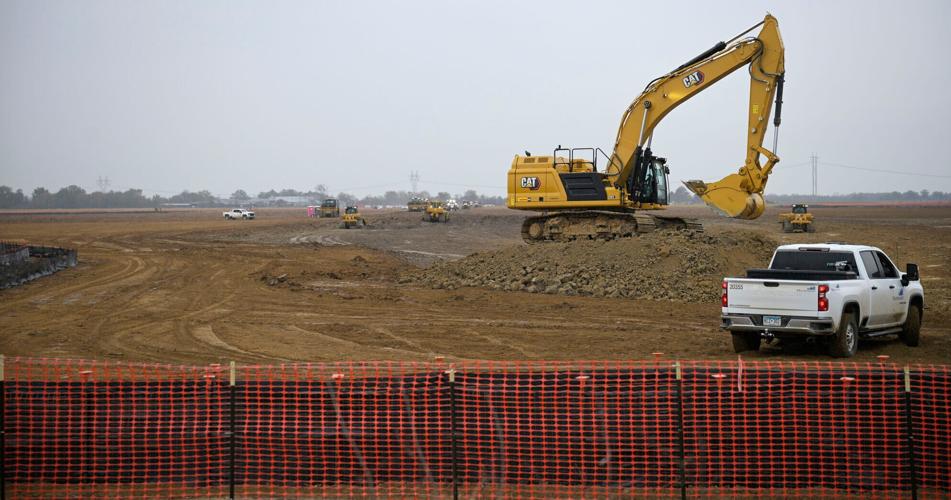
That meant looping in more local officials, who were already getting wind of what was going on. The Franklin Farms site in Holly Ridge in the heart of Richland — a 1,440-acre tract of soybean, grain and corn fields — had been purchased by the state in 2006 in hopes of luring a Toyota manufacturing plant to the area. But that deal had fallen through and in the nearly two decades since, the state and local governments had tried unsuccessfully to market the site.
Richland Parish Assessor Lee Brown signed an confidentiality agreement in early summer and began crunching numbers to determine what the tax breaks would mean for Meta. It was by far the largest deal he’d ever seen proposed for the area, but hardly the first.
“I wasn’t optimistic,” said the 30-year assessor. "I’ve seen so many of these deals and they never pan out. But I thought, 'Oh well, we’ll try.'"
There were other issues to resolve as well that required involving local government. The company wanted to buy Franklin Farms but state law doesn’t allow the state to sell land without going to public bid. Instead, Busada structured a long-term lease with Meta for the property, which came with a promise that the state would work on changing the law.
There were parcels next to the Franklin Farms site that the Franklin family still owned and Meta wanted to acquire, which meant negotiating those deals.

Scott Franklin speaks during an event in Rayville, La., Wednesday, Dec. 4, 2024, to announce that Meta will build an artificial intelligence optimized data center in Richland Parish.
The company also wanted local zoning laws changed to guarantee that their use of the property wouldn’t be upended by a future police jury.
In return for giving so much, the state was trying to build safeguards into the deal — jobs requirements in return for the PILOT and clawback provisions on the land if the company doesn’t meet certain capital requirements.
“There were a lot of sticking points,” Busada said. “We had to spend a lot of time in tough negotiations, saying, this is important to the locals. This is important to the state.”
'Game changer'
By mid fall, the pieces were coming together. That’s when the Public Service Commission got involved by virtue of the role the regulatory body will need to play in approving the new Entergy plants to power the data center.
A public filing in the PSC docket in early November stated that Entergy was seeking permission to build three new gas power plants at a cost of $3.2 billion to provide electricity to an AI data center. At a hearing on Nov. 20, environmental advocates raised concerns about the project publicly for the first time, citing the amount of power it would consume and the costs that could eventually be passed on to ratepayers.
Voicing support for the project and the jobs it would create, the PSC agreed to hire an outside firm to study the project’s power demands, the first of several regulatory hurdles it needs to clear.
By then, the deal was done, but Busada said he still didn’t breathe a sigh of relief until Dec. 4, when Landry and Bourgeois joined officials from Meta, Entergy and the surrounding area at the Holly Ridge site to announce the “game changing” deal, as Landry called it at the time.
“I’ve done this for 16 years and have seen deals collapse literally at the last minute,” said Busada. “So really it wasn’t until Dec. 4 that I felt confident that we had it.”