 Local Government Chronicle (LGC) News, comment and analysis on local government, plus jobs in the sector

Harnessing technology to make facilities more visible and accessible has boosted revenue and strengthened community engagement, writes Jack Woodley, head of sales at Kajima Community. Sponsored comment from Kajima Community.
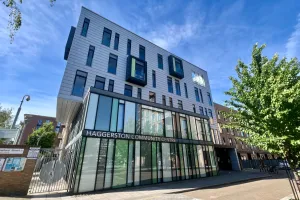 Local authorities are under increasing pressure to deliver essential services amid ever-tightening budgets. Resources are stretched thin, yet many councils already possess a valuable, often underused asset: the buildings they own. Renting out these spaces for community activities presents a promising source of long-term revenue.
Some councils have begun to tap into this potential by offering their facilities for hire. However, the challenge lies in effectively marketing these spaces and managing bookings in a way that ensures a sustainable income stream. Too often, outdated systems hinder this process, leading to missed opportunities and inefficiencies.
This was the case in Hackney, a densely populated borough in east London. The council directly manages bookings for 40 community halls, but its ability to maximise their use was hampered by several issues. Public awareness of the facilities was low, often limited to word-of-mouth. The booking process itself was inconvenient, relying on phone calls and emails, which slowed response times and made short-notice bookings difficult. Coordinating visits to unstaffed venues added further strain on council resources.
Online booking system
Moreover, payments were handled offline, creating administrative burdens and increasing the risk of unpaid fees. The lack of data analytics also meant the council had little insight into which venues were most popular or how best to allocate resources.
Hackney LBC addressed these challenges through a partnership with Kajima Community, implementing the BookingsPlus platform. This made Hackney the first UK council to offer a fully online booking system, complete with virtual tours. The new system raised awareness of the available council-owned venues, reduced the need for in-person visits, and enabled users to make and pay for bookings online.

The platform is continuing to evolve. Customers can now submit bookings directly, pending council approval, and centralised data reporting provides valuable insights into usage patterns and trends. This has led to more efficient management and better-informed decisions.
As a result, Hackney’s community halls are now more accessible to a wide range of groups—from lunch clubs and martial arts classes to holiday schemes, parties and church gatherings. The impact has been significant: in 2024, the end of the second year of operating with the new booking system, income increased by 65%. The council’s flagship community hall alone tripled its income in the same period. Since the implementation, booking enquiries have more than doubled, reflecting both improved visibility and a streamlined process.
Over 3,800 unique users have engaged with the platform, and the automation of previously manual tasks has freed up council staff to focus on service delivery. The ability to analyse usage data has also proven invaluable in refining the council’s lettings strategy.
Hackney’s pioneering approach demonstrates the transformative potential of digital solutions in the public sector. By making its facilities more visible and accessible, the council has not only boosted revenue but also strengthened community engagement and cohesion.
Have your say
or a new account to join the discussion.